The Prostate and Incontinence
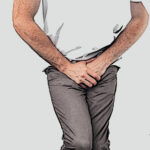
Perhaps the most distressing and socially disabling aspect of prostate disease is incontinence, peeing when you don’t want to.
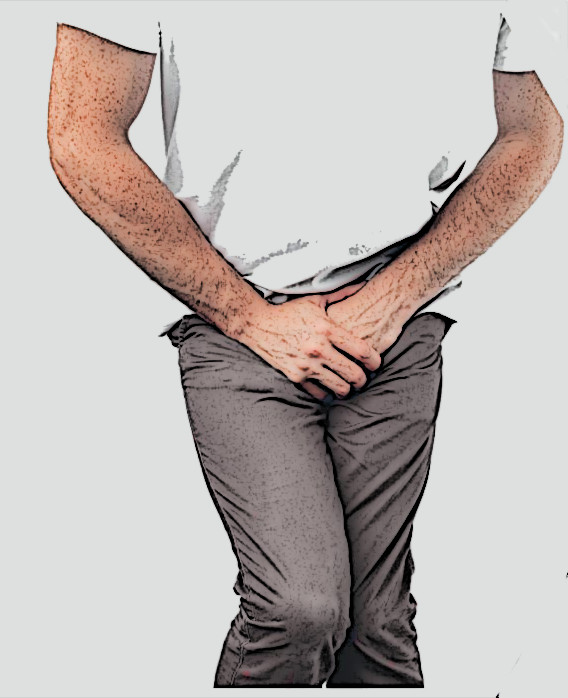
It is highly likely that your first encounter with a prostate problem was when you started to notice peeing problems. Minor at first, then perhaps more annoying and finally something close to desperation.
For most, your prostate will swell as you get older ( 50+), causing pressure on your bladder and perhaps some constriction in your urethra. The consequence of this is that you find yourself needing to pee even though your bladder is not full, and/or when you do pee, it’s a bit of a dribble sometimes. Typically you will have to get up in the night frequently (nocturia) , suffer sudden urges and occasional leaking.
Often there is nothing you need to do about these symptoms, but if you suffer from not being able to empty your bladder suddenly, you must go to A&E immediately. Otherwise consult your GP to see if there is another underlying problem and insist on a PSA test to rule out cancer.
Kegel exercises that strengthen your pelvic floor may alleviate some symptoms.
Cancer treatment and incontinence
If you are recovering from post-cancer treatment you will certainly suffer urinary incontinence for a while.
You will probably leave hospital with an array of incontinence pads, and these will need to be used and replaced 3 or 4 times a day initially.
Your aim as you rehab, is to reduce the number or these per day, it is unlikely that you will ever do without them, if only from a confidence point of view, but you should get to a point where only the lightest of pads is required.
Remember, this is a journey, you will have good days and bad days, but on the whole you should expect steady progress week on week.
You can also measure your progress by measuring the amount of urine you leak ( your physiotherapist may ask you to do this anyway). This is simply done by
a) weigh a new pad e.g. on kitchen scales, probably 10 grams or so
b) weigh the pad(s) after use, and subtract the original pad weight. This will give your daily leakage in grams.
Do this once a week or so, and record the results, you should see a gradually diminishing trend as you improve.
How to help yourself
Undoubtedly the best self-help you can undertake is to be as fit as possible, including getting to a healthy weight before your treatment, and to undertake Kegel (pelvic floor) exercises. These are helpful even if you are only suffering from Benign Prostatic Hyperplasia (BPH), otherwise known as an enlarged prostate.
Tip: The prostate controls the ‘final drips’ when you pee, it pumps the last bits of urine from your urethra. When the prostate is removed or damaged, this can’t happen. So a good tip is to carry out 10 quick Kegel squeezes when the main flow has stopped to empty out the last few drops.
Incontinence Aids
In addition to pads, you can consider temporary aids to increase your confidence and re-train your bladder.
The simplest of these is the incontinence clamp. This is a device that clamps your urethra on your penis, making use of the fact that it is quite close to the surface of the underside of the penis.
Which clamp you choose is a matter of trial and error. They are not generally available on prescription from the NHS, so you will need to buy one.
Be warned! these are not comfortable devices, so short term wearing is probably limited to a couple of hours at a time.
There is a variety of manufacturers ( and prices) , the Pacey Cuff gets good reviews, but is expensive at about £80, and some find it uncomfortable and inconvenient, being two pieces. .
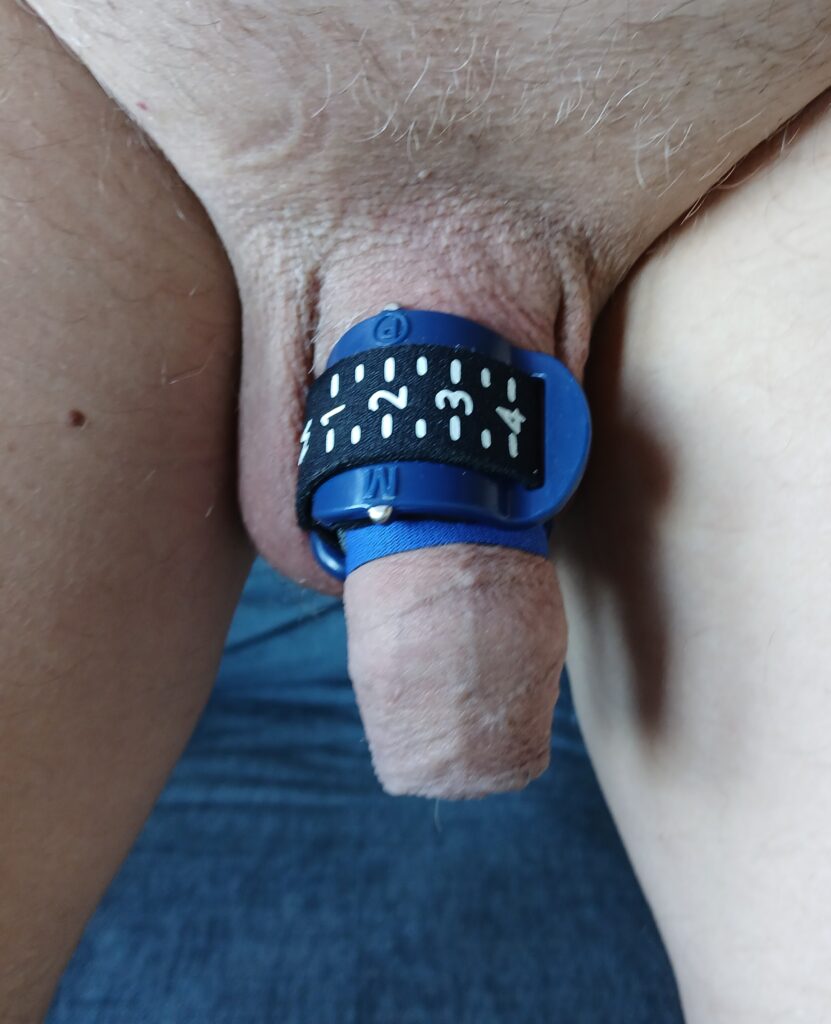
We find the cheaper and more comfortable clamps from Lundberg to be better but there is no definitive comparison.
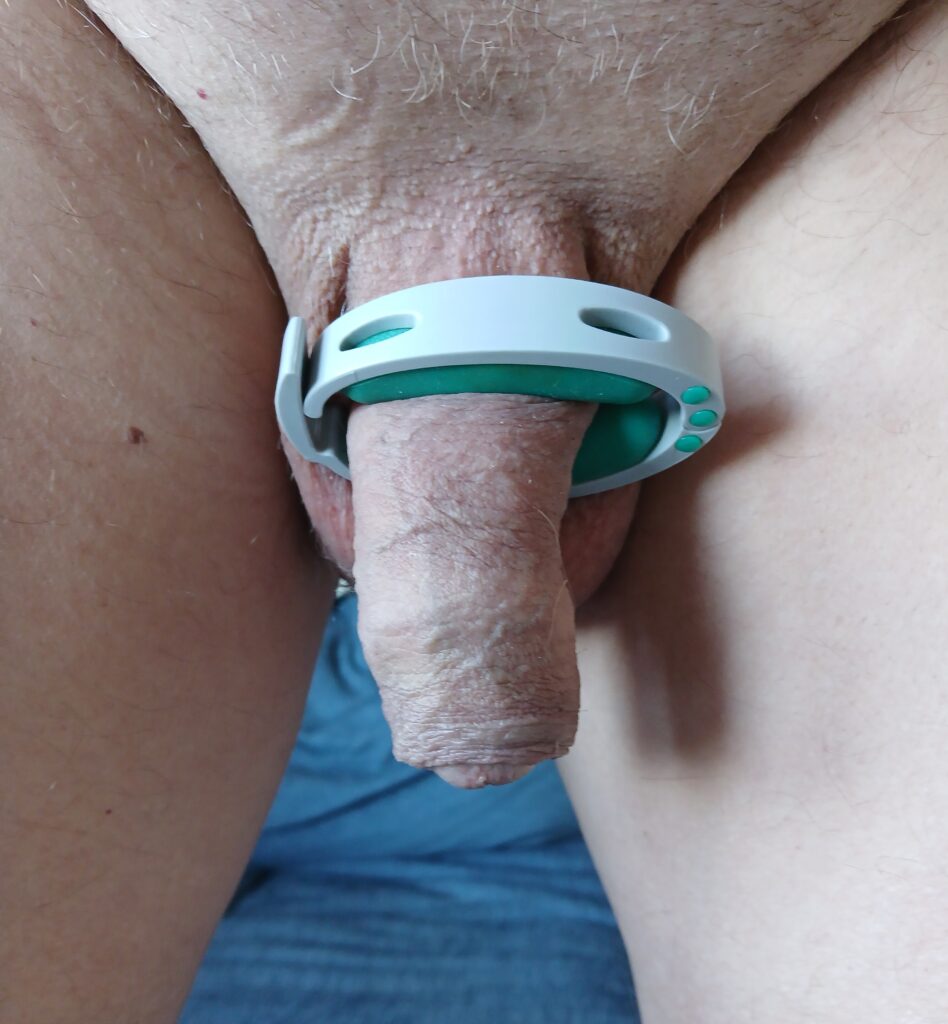
The Firmtech device is sold as an erection aid about£45, with a hi-tech version (£250+) that can monitor nocturnal erections, but it can also be used as an incontinence clamp.
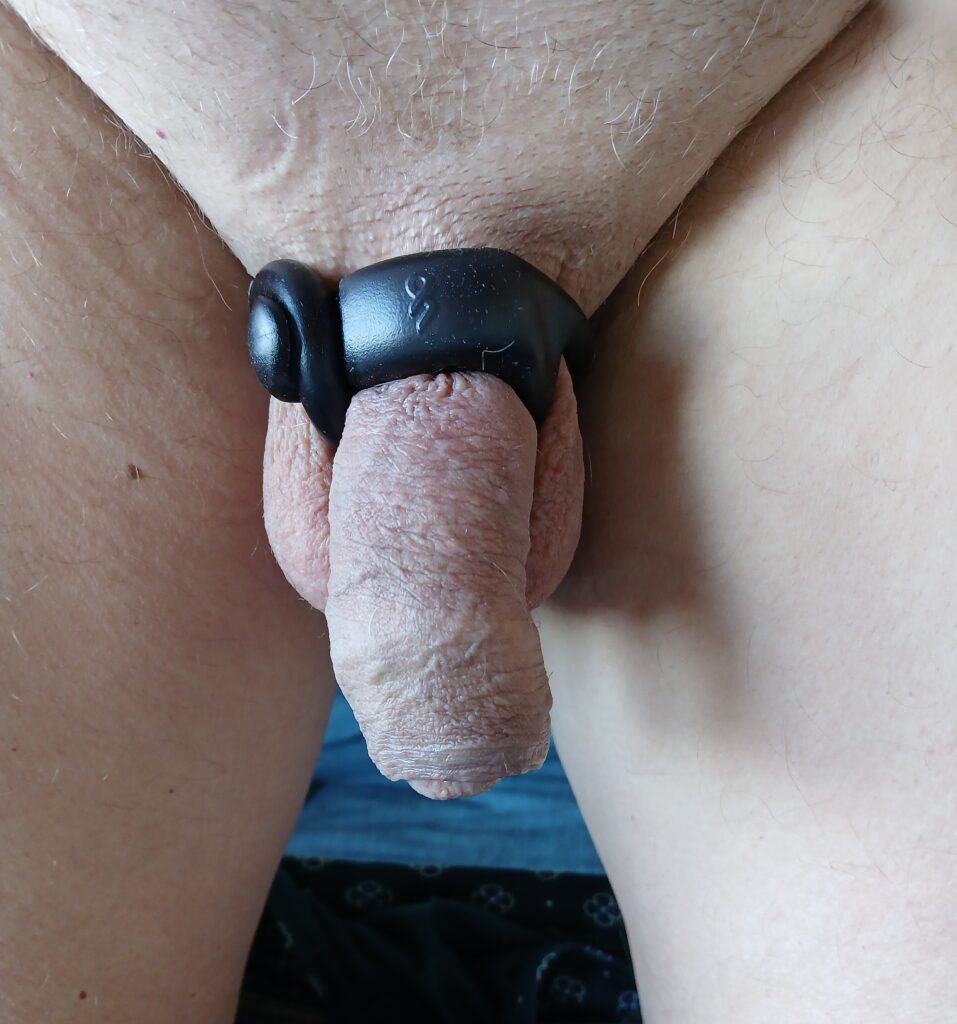
All have a limited life, probably about 6 months before needing replacement. Check for washability and durability as well as comfort from online reviews.
Tip: Clamps can catch your pubic hair, so consider shaving or depilation to get the most comfortable experience.
Other options (from https://www.kingedwardvii.co.uk/health-hub/treatment-options-for-urinary-incontinence-after-prostatectomy)
Medications may help with overactive bladder symptoms (bladder spasm). Common medications include the antimuscarinics oxybutynin, tolterodine and solifenacin, and the beta-3 agonists mirabegron. These medications work by relaxing the bladder, allowing it to fill with urine and successfully store it without causing urine to leak.
If these don’t work
In severe cases, you may be offered surgical intervention, but not until your condition is stable.
Artificial Urinary Sphincter
For over 40 years, the recognised standard of care for post prostatectomy severe stress incontinence has been the AMS 800 artificial urinary sphincter. It’s a man-made mechanical device that’s implanted in the body to help control urine leakage for men with severe incontinence.
The device is made up of a cuff, balloon and pump. The cuff is placed around the urethra (water pipe) to prevent leakage. The pump is placed in the scrotum and is pressed to empty the fluid out the cuff, so that you can pass urine. Once urination is finished, the sphincter automatically refills, keeping urine in the bladder and you dry.
The procedure to have the artificial urinary sphincter implanted is carried out while you’re under general anaesthetic. It takes around 90 minutes to perform. The artificial sphincter is implanted through two 5cm incisions: one behind the scrotum and one in the groin crease. These incisions are closed with dissolving stitches. A catheter (bladder tube) is left in place overnight. Most patients are allowed home later that day.
The sphincter is switched off for six weeks to allow tissues to heal. The sphincter is switched on six weeks after surgery during an outpatient visit.
The success rates resulting in complete continence (dry) are 80-90%. The device has a half-life of 10-15 years before a replacement is needed.
Male Sling
The male sling was first introduced in 2006. The male sling has no mechanical parts and works by supporting underneath the urethra.
The male sling is implanted through a 5cm incision behind the scrotum. The sling is passed through 1cm incisions in the thigh each side, below the urethra. The sling is then tightened to obtain sufficient support. The incisions are closed with dissolving stitches. The surgery takes around 90 minutes.
A catheter (bladder tube) is left in place overnight. This is removed the morning after the surgery. Most patients are allowed home later that day. Your recovery from the surgery will be assessed at your appointment six weeks following surgery.
The success rate ranges from 50% to 90%; approximately one third of patients are dry, and one third of patients have substantial improvement depending on how severe their urine leakage was to start.
Male slings are now widely used throughout Europe, America and now the United Kingdom
More information about the male sling can be found in this leaflet from the British Association of Urological Surgeons.
Bulking agent (Bulkamid)
Current sthttps://www.androidfitness.net/apps-kegelandards for treatment are the artificial sphincter or sling implants, but some men consider these too invasive. Because of this, two-thirds of mehttps://www.androidfitness.net/apps-kegeln with incontinence go untreated.
An alternative, a minimally invasive option for men with mild PPI is injection of polyacrylamide hydrogel (Bulkamid). Bulkamid is non-allergenic and stays in the tissues of the body without adverse effects. Success rates between 10 and 30% are expected for patients with mild post prostatectomy incontinence. Injections may be repeated to maintain their effect.
Bulkamid urethral injections are performed as a minimally invasive procedure under day case general anaesthesia. Injections of Bulkamid are performed using a cystoscope (a thin camera). The injections tighten the lining of the urethra. This procedure has only a 10 to 30% success rate and is not approved by NICE for use by the NHS, but can be obtained privately.
The difference between the two procedures is well explained here.

Leave a Reply