Prostate Cancer and Sex
For those of you who dived straight in here, a warning. Some of the information in this section is graphic and includes descriptions which some may find uncomfortable or objectionable.
We are trying to present information in a dispassionate manner, but for many men, this is the most important aspect of their condition and its treatment options and consequences.
If this is not for you, then leave this section now.
Here is a nice picture before we start.radical prostatectomy

The prostate is a sexual organ. It controls the passage of urine and seminal fluid to the penis, switching between the two. In its undamaged state, it produces seminal fluid, which when mixed with sperm from the testes produces the ejaculate experienced during orgasm (the “cum”).
So any damage or disease to the prostate affects both urinary and sexual function.
It is also adjacent to the rectum, so sometimes disruption to the prostate can cause bowel problems.
Equally, prostate massage via the anus (“pegging”) is a pleasurable experience to some and forms part of the sexual experience.
If you have a suspected abnormality in your prostate, your clinician may perform a digital rectal examination (DRE), since the shape and form of the prostate can be felt through the thin walls of the rectum .
Given the importance in sexual function, your decision about your treatment for cancer of the prostate is complex and worthy of extended discussion with your clinician.
But please remember that for most men, enlargement of the prostate with age ( about 50 onwards) is normal and benign. It may produce annoying, sometimes distressing symptoms, but it won’t kill you. And even for those with a cancer diagnosis, it may be so slow growing, and be diagnosed so late in your life that no radical treatment at all would be best for you.
However, for those that suffer aggressive cancer, or who can’t live with the idea of having a cancer inside them, here’s what treatment will do to your sex life.
At this time ( 2025) there is no non-invasive cure for prostate cancer. You can’t take a pill or some magic treatment that doesn’t involve trauma to the prostate gland and/or surrounding organs.
Other pages here describe the various treatment options, radiation, surgery, ultrasound, cryotherapy and so on, but remember too that not all of these therapies are suitable for all cancers and/or anatomies. So here we describe the main effects on you.
It is common for clinicians to take an epidemiological approach when describing these effects; e.g. the percentage chance of this effect is this percent. These percentages are necessarily the result of clinical studies, but needed to be treated with caution, since they are general, perhaps not reflecting your genetic history, your ethnicity or your medical history.
So let’s get to it.
100% of men undergoing invasive treatment will experience immediate consequences of incontinence and impotence ( erectile dysfunction). This is hardly surprising since it is the equivalent of being kicked in the nuts repeatedly.
A small percentage of men will regain these functions quickly, i.e. within a few days or weeks of treatment, especially if you have been able to use the very precise radiotherapy available in some specialist centres.
Most men will experience these symptoms for an extended period, perhaps up to a year to regain full function.
A significant percentage will never regain spontaneous erections, but will regain urinary control.
A small percentage will be permanently impotent and incontinent and will require ongoing therapy.
The boundaries between these are blurred, and the actual percentages vary, so the above statements are deliberately vague. It also excludes those with particularly aggressive cancers with late diagnosis, for whom the cancer is terminal, where invasive treatment may not be appropriate.
For many, the most often recommended and common treatment is Radical Prostatectomy, i.e. complete removal of the prostate gland. In most cases this ensures 100% cure from the cancer. This is also the most brutal treatment as far as your body is concerned. The surgery is difficult, surrounding tissues are greatly disrupted and overall recovery times are long. The advent of robot-assisted RP has greatly reduced recovery times and in many cases is virtually painless, or at least produces pain that is readily controlled.
The removal of the prostate involves cutting the urethra, then rejoining after prostate removal. Seminal vessels are also removed and perhaps lymph nodes since these can carry cancer or pre-cancerous cells. The prostate is very close to the nerves responsible for erection, so where possible nerve-sparing techniques are used. These are not always possible, or successful, and in all cases the nerves will be ‘bruised’ and will cease functioning. Nerve repair and regrowth is very slow, hence the several month timescale before erection recovery. It is not possible to know in advance how much damage nerves will suffer, or how long recovery may take, but if you have no response after 18 months, you probably never will.
Radical prostatectomy
means
a) you can never have a fluid ejaculation, hence no children
b) you will experience a prolonged period of impotence
c) you will experience an extended period of incontinence.
It does not mean that you cannot achieve orgasm. The feeling of orgasm will change, since there is no fluid discharge, but the feeling of orgasm can still be experienced. A short article here explains this.
You will usually also have a smaller length penis, some 15% or so, at least during the early rehab period, but this may return to its previous length after an extended period ( 12 months or so).
Radiotherapy treatment
means
a) your production of semen is likely to be lower
b) your libido (sex drive) may be lower if it includes hormone therapy
c) you may not be immediately impotent but this can develop over subsequent years
d) you will be infertile
If you are in a sexual relationship, it is vital to involve your partner at all stages of your treatment. It is very likely ( 100% in the case of RP) that the sex life you have had together will end and need to be reset into something different.
For some couples, this can be an opportunity to explore new sexual pathways, for others, it can be very challenging. In some cases, your partner may not be able to cope or even continue the relationship, so talking about this early on and continually is vital. Don’t be afraid to seek professional sex therapy counselling, where you and your partner may find it easier to deal with these issues.
These are the (mostly) downsides of invasive treatment.
Useful links
Macmillan Cancer Support: Sex life and prostate cancer
Cancer UK : Radiotherapy to the pelvis for men
Things you can do to help yourself
Your clinician will do their best to help you, but there is no magic bullet and you have to take responsibility for your own therapy if you want the best outcome. So let’s discuss some of these.
You will hear this a lot in all forms of medical treatment and it’s not necessarily a well-received message but it doesn’t stop it being true. The best thing you can do to help your treatment is to be and stay fit. Being fit enough to withstand the rigours of surgery or radiotherapy before the event is the absolutely best thing you can do to speed your recovery.
So if you’re programmed for treatment, for even a few weeks before, work on your general fitness. This may be as simple as walking every day, eating a sensible diet and losing weight if you need to ( a fat belly really presses down hard after surgery) . You are going to experience trauma to your pelvic floor, so adopt Kegel exercises before treatment and carry them out. These are well-proven exercises for your pelvic floor muscles, which aid both urinary and erection control. (Women are more used to using these than men especially after childbirth.)
After treatment, Kegel exercises are essential to control incontinence and help restore erections. You will need to carry them out, albeit at a reduced rate, for the rest of your life.
Physiotherapy
You may be offered physiotherapy on the NHS, but this very much depends on where you live and the services your local hospital/gp provides. If you can afford to do so, private physiotherapy from pelvic floor specialists may be an option. Most publish their consultation fees, if not, just ask before committing. As always, finding one that suits you can be challenging, personal recommendation is best, or visit the chartered physiotherapist site.
Getting the right technique for Kegels is sometimes difficult, Ultrasound scanning while carrying out the exercise is used to make sure the correct muscles are being exercised. Try to find a physiotherapist that can offer this capability.
Kegels
Pelvic floor exercises, otherwise known as Kegels, are a vital physiotherapy tool for rehabilitation of incontinence and erectile dysfunction.
Australian physiotherapists lead the world when it comes to pelvic floor exercises, incontinence and impotence and there is lots of info, so search for details.
How to do kegels, and a youtube video.
Dr Jo Milios is particularly useful, if you like to get your info in a listenable form you can also listen to her podcast The Penis Project for a wide variety of information about Prostate Cancer and relationships.
If you lack the self-discipline to carry out Kegels regularly ( at least 3 times per day) invest £2.50 or so in the Squeezy app, available for Apple and Android devices. This both nags you to do the exercises, and times and logs them.
(N.B. Kegel pelvic floor exercises can be done any time, anywhere, and no-one need even know you’re doing them.)
Erectile Dysfunction
For many men, this is the big one, so to speak. Impotence (being unable to get it up) is a major fear of many men, and is an almost inevitable consequence of invasive prostate treatments.
However as usual there is good news and bad news.
The bad news is that if you were struggling before your treatment, you will definitely struggle after. There are many causes of ED, not all of them physical, so if you were not undergoing therapy before your cancer treatment, you need to be honest with your post treatment team, usually a Nurse Specialist, so they can advise on the next treatment stages, especially if your ED is due to psychological factors.
But even then, there are physical effects that need to be addressed.
Let’s get rid of some myths. The penis is not a muscle. You cannot make it permanently bigger by exercise, or drugs or any of the snake oil treatments available on the internet.
But the penis is a vessel for blood, containing two main pockets that can be filled and emptied of blood ( the corpora cavernosa ) . This is what creates the erection. When it doesn’t work, it’s called erectile dysfunction and it’s because blood, for whatever reason, does not reach these vessels in sufficient quantity. (Enlargement ‘treatments’ can expand these blood cells, but while it may apparently increase size, it is at the expense of firmness. )
The triggers for filling and emptying these vessels are nerve impulses, sent from the brain via the spinal chord, the sacral nerves and the interfascial nerve bundle to the penis. It is the interfascial nerve bundles ( left and right) that are commonly damaged during nerve sparing surgery or radiotherapy and need time to recover. Sometimes it is not possible to save these nerves, then spontaneous erections will effectively never be possible.
Post-treatment therapies are designed to minimise long-lasting effects, or find effective alternatives for ED and Urinary incontinence.
Damaged nerves take a long time to recover (many months), hence you will see mentions in various texts of recovery periods of 1 to 2 years in some cases.
Penile Health
It has become evident over the last 30 years, that penile health needs to be maintained during recovery. The normal spontaneous erection cycles men experience ensure that blood supply to the penis is regularly exercised and the tissues are kept healthy with fresh blood. When this stops, cells can degrade and atrophy, meaning that even when nerves recover, erections are still difficult, painful or even not possible.
So it is vital to keep your penis working and the most effective method for this is the Vacuum Erection Device (VED). These working by placing a tube over your penis and evacuating the air. The low pressure outside forces blood into the penis and causes an erection without nerve stimulation. You may find this device prescribed by your NHS clinician and it is important to use it once or twice per day. You can also use your VED in conjunction with constriction rings (cock rings) to maintain your erection after pumping in order to facilitate penetrative intercourse. Tips on this later.
You may also be prescribed a PDE5 inhibitor as a pill. Commonly known as Viagra, this class of drugs is now off-patent and generic cheap versions are available. The drug acts as a vaso-dilator, i.e. it opens your blood vessels, and common treatments involve use of the VED and PDE5-i simultaneously to promote longer lasting erections.
Not everyone is suitable for these drugs, especially if you have heart problems, so your clinician will advise. Also, NHS prescription quantities are restricted, so you may have to buy your own, but please check with your clinician first.
Sex with a droop
Your sex life post treatment can be very depressing, you will not be as you were. But you can use this as a springboard to change your relationship with yourself and your partner if you have one.
So let’s start with sex on your own.
If you had no regular sexual partner, or only intermittently, the biggest fear you may have is “getting back on the horse”. You will have to face up to the fact that potential partners will need to be helped to understand you – that penetration may not be possible for a while ( or ever) but that doesn’t mean you cannot be a good lay.
So be upfront about your predicament early on in a new relationship, talk about your treatment and the side effects you have or might suffer. (Probably not on the first date…!). You may even find that your new partner is relieved of some pressure, allowing a different relationship to build.
Of course if you are solo for some time, then you need to find out what works for you, it may be the same as before, but maybe not. If you have had hormonal treatment ( testosterone-lowering ) you may not have much interest in sex anyway. But it is important to keep up that penile health, above.
If your libido is unaffected ( the usual case) then generally you will be able to achieve orgasm after sexual excitement even without an erection. And you can still use the same tools to achieve a forced erection as anyone in a partnership.
Physical aids
Number one amongst these is the Vacuum Erection Device (VED) with a constriction ring and supplemented by a PDE5-i drug.
For couples, a warning. There is nothing romantic or spontaneous about this. It may take ten minutes or more of pumping (see the pumping guide) to get a worthwhile erection, so it needs patience on both sides, perhaps involve your partner in the pumping. And even then there will be many times that this is simply not good enough for penetration. So don’t be disheartened if it ‘fails’. Bail out and try again after a few days.
Tip: You are likely to leak urine during sex in the early days of recovery. This can be off-putting to your partner and embarassing to you. Wearing a constriction cock ring will stop this happening, but, when you take it off you need to be standing over a toilet bowl because you will likely gush.
If you can get a semi-erect penis and your partner enjoys penetration, then consider using a hollow dildo, or strap-on. This will accommodate you and provide the firmness your partner needs. Again, this needs a lot of patience and understanding from you both, and of course it feels a bit weird. If you are entirely flaccid, there are dildos designed for this that are not hollow, or only a little , and this might work for your partner.
Penis Pumping
The normal NHS prescribed VED ( pump) is manual. Read the instructions and don’t overdo it especially in the first week.
If you can, do it first thing in the morning, this is closest to the ‘Morning Glory’ time you will have experienced before and part of the nocturnal tumescence experience your body expects.
The recommended session is over about 10 minutes. The pump has a quick release valve, and the correct method is to pump and release successively, gradually building up your erection. So a few pumps to get going, wait 10 seconds then release, a few pumps again wait 10 seconds then release and keep the process going. Do not over pump . If it’s painful you’re doing it wrong, but it may be uncomfortable.
The pump has two rings with different internal diameter openings. Start with the smaller one to establish a suitable vacuum seal around an entirely flaccid penis. When you have a bit of size, switch to the larger ring. Be careful not to suck up your balls into the device, careful positioning is needed for this.
Over the period of a few minutes you should reach something like normal size. You will be much redder than usual, but you should NOT look bruised (purple or spotted). If so stop immediately.
The pump comes with silicone constriction devices that are much better than the cheap cock rings you can buy and are designed for your condition, not for pleasure. Experiment to find the tightness that works for you and is not too uncomfortable ( they come in different opening sizes).
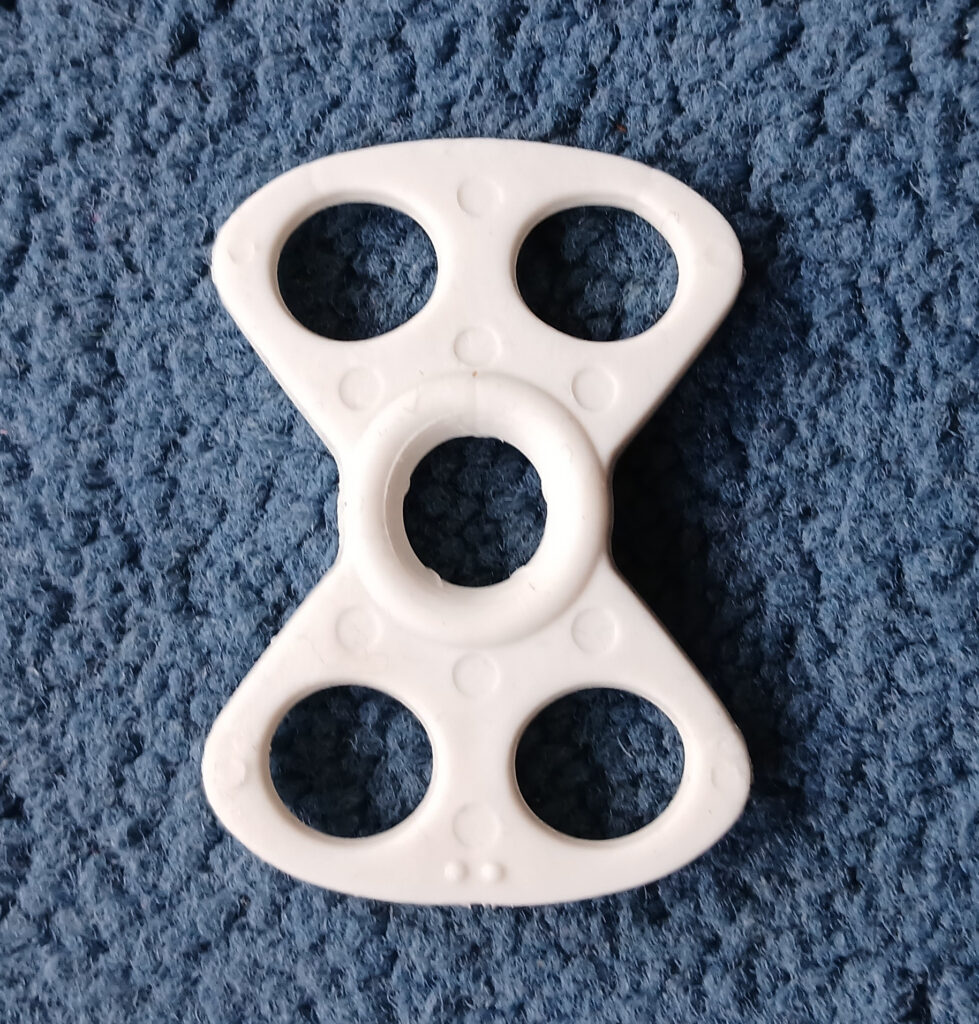
At your hardest slip the constriction ring off the device onto the base of your penis. This will stop the blood leaving your penis and maintain your erection. If this does not work, you may need a smaller opening constrictor, or the manufactures suggest two rings. Trial and error is the only way.
Do not leave the ring on for more than 30 minutes. You are effectively stopping blood to the penis as well as preventing it leaving, so it de-oxygenates quickly and can cause damage. NEVER go to sleep wearing a ring. It also means that your penis will be cold, since it is not receiving warm blood. This can be off-putting to both parties.
If you are pumping prior to sex and after all that you and your partner are still willing, intercourse can take place as normal, but you are highly unlikely to be as firm as you were prior to treatment, so don’t expect too much, and even with the constriction you will subside pretty quickly, probably within 10 minutes.
Otherwise, pumping as regular exercise should be part of your rehabilitation routine.
Drug Supplements
You will (should) probably be prescribed a PDE-5 inhibitor like Viagra, Cialis or more likely their generic equivalents, Sildenafil and Tadafil. These can help alongside the VED, but they don’t work for everyone and they only work when sexually aroused. You can also purchase these, under prescription control, and it is worth trying each in turn to see which if any works best for you. Some suppliers offer a starter pack, so you can try out each medication.
Sex toys
Toys may or may not have been part of your pre-treatment life. They should certainly play some part post-treatment. It is likely that you and/or your partner will only be able to achieve satisfaction by use of sex toys, at least for the first year. This is simply because you will not function as you did before, so some invention will be necessary.
Be very careful how you introduce toys to your relationship if new to them. Decide together. You can’t suddenly show up with a 12 inch vibrator and expect to be welcomed. Probably.
Pornography
Porn of course is a minefield and can lead down some very strange not to say bewildering paths. But for some couples ( and probably all solo) it can give the excitement needed to reset your relationship, kickstart you libido and provide a valuable sex therapy tool. Again, involve your partner from the start and explore gently together.
Porn sites of course are there to make money, to draw your attention and , so to speak, suck you in. There are very few ‘introductory’ sites and even the terminology has a language all it’s own.
Be careful!
Treatments for Permanent Erectile Dysfunction
If you were unsuitable for nerve-sparing surgery, or you are of an age where erections would become a problem anyway, or you need to undergo salvage radiotherapy then you may need to seek other treatments.
Intracavernosal Injections
It is possible to use a Vaso-dilation pharmaceutical directly via injection into the penis. This somewhat forbidding method in fact has a very good record of inducing erections where Viagra-type pills have failed. There are a number of chemicals in use, Alprostadil is one, Aviptadil another. Alprostadil is also available as a cream for direct ‘injection’ into the urethra, but this is less effective than syringe injection for most men.
You must be prescribed Intracavernous injections, and show competence in using them to a registered practitioner, then you can self-administer. Most men do not report any pain using the injection, although some slight burning may be experienced. The effect of the injection should be evident within about 5-10 minutes, and the effects should last anything up to 3 hours. Like all these treatments, sexual arousal is also necessary to successfully achieve full erection although engorgement will happen spontaneously.
NHS provision of this treatment is very limited, so consider private prescriptions, (online prescribers are available, you will need to provide evidence that you have been taught how to use injections, so you will still need a NHS Andrology referral). Treatment prices are about £25-30 per injection.
Extracorporeal Shockwave Treatment (ESWT)
You may find that your erections return a little but not enough to be useful, especially if nerve-sparing was only partially successful. Then you may be suitable for shockwave treatment although this may not be available as a NHS patient. Low-intensity Extracorporeal Shockwave Treatment is a trusted method for muscle recovery and has been successfully used for vascular Erectile Dysfunction. Its effectiveness for nerve related ED is less well documented, so speak with your clinicians before embarking on it. You will need to have some spontaneous erection feeling, perhaps enough to be 50% of normal.
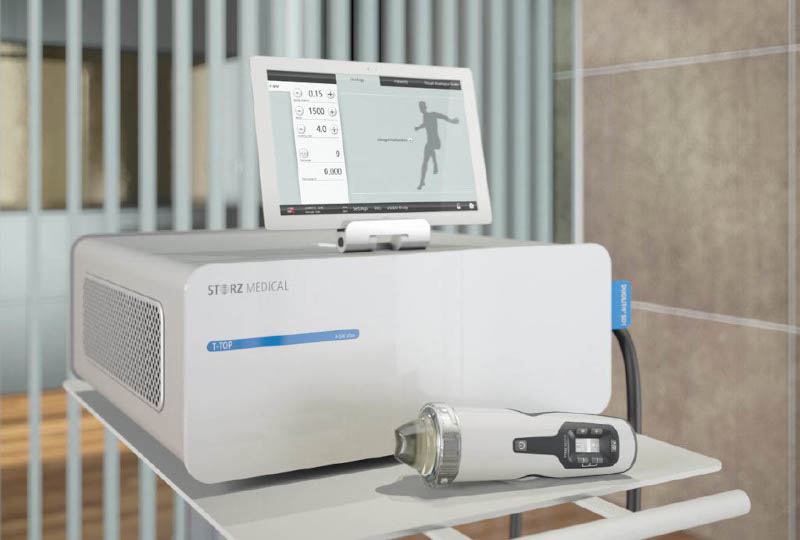
The treatment consists of focussed ultrasound pulses, delivered at a rate of about 4 times per second applied to various parts of the penis. Ultrasound gel is used to promote good contact and the hand-held probe is shaped to fit the penis shaft. Typically one thousand pulses are delivered at each site on the left and right side of the penis. A flat ended probe may then be used to deliver similar doses to the perineum, close to the root of the penile shaft. Treatments are over the course of 10-12 weeks at weekly intervals and take about 15 minutes each time and are painless, with perhaps a slight buzzing sensation.
Prices are in the £120-£150 per session region, although some may charge much more, so shop around.
Note this is not the same as radial extracorporeal shockwave therapy used for muscular damage, which can be quite painful.
This leaflet explains in more detail.
Penile Prothesis (Implants)
If after 18 months or so, you are unable to achieve an erection using the methods above, then you may be suitable for a prothesis. This is an implantable device operated by a pump. It’s use is explained here.
Pre-cum after prostatectomy
The secretions commonly called pre-cum during sexual excitement are initiated from the Cowper’s Glands, (or Bulbourethral glands). The two main Cowper’s glands are situated within the urogenital diaphragm, with a second pair of accessory glands situated in the bulbospongiosal tissue, ie adjacent to the prostate .
During sexual excitement, these glands secrete clear glycoproteins into the bulbous urethra.gland and appear as a white slippery mucous discharge. This fluid seems to have both a lubricating and chemical function, neutralising acids in the urine, so essential to good reproductive conditions. The fluid does not contain sperm.
Like other associated tissues, these glands suffer trauma during surgery, but can recover. So the question is, does radical surgery stop pre-cum? There is little published research on this, but it seems from forums that some men recover this function, in the same sort of timescale as erection recovery. The overall, non-researched consensus, seems to be about 50/50. If this can be retained, it can mitigate some of the effects of a ‘dry’ orgasm and the necessity for artificial lubrication.
The other concern is whether Cowper’s Glands contribute to PSA levels and the answer is yes according to this study. So low residual levels of (non-cancer indicating) PSA may include contributions from the Cowper’s Gland.
Summary
Sex following prostate cancer treatment will be different. It may take a long time to recover function but new treatments appear regularly.
Maintaining penile health by pumping is vital if you are to get back to how you were.
Overall, persistence is the key, and try therapies until you find one that works.
There will be dark days, so involve your partner or speak to your Nurse Practitioner when it seems to be too difficult.

Leave a Reply